













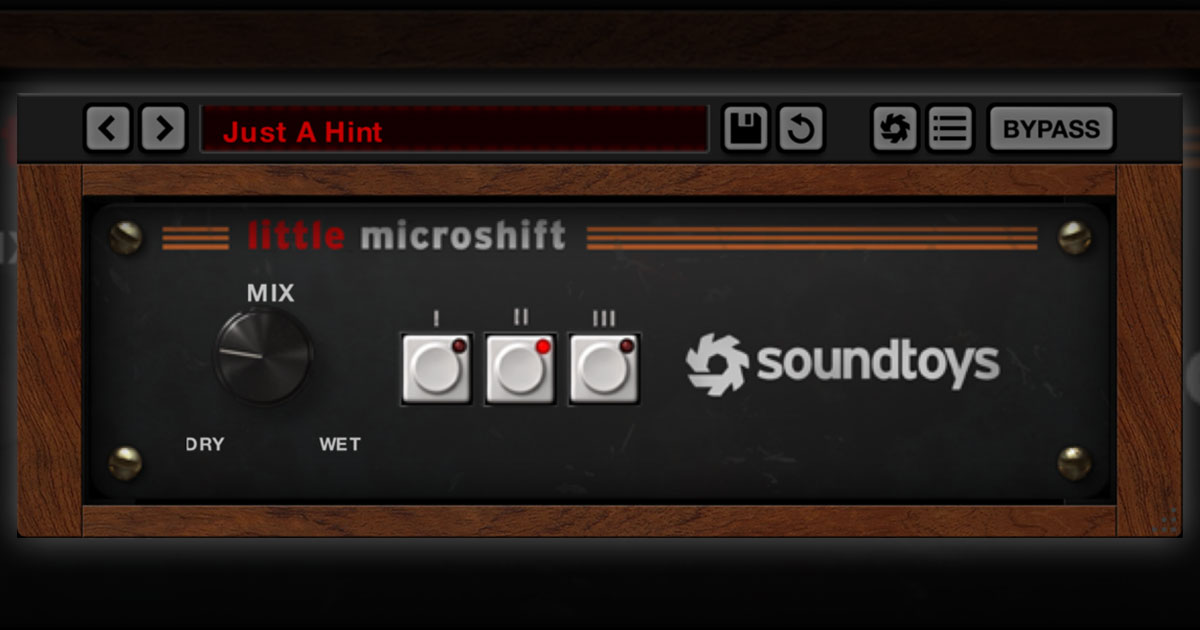
 【期間限定無料】Soundtoys「Little MicroShift」ボーカル、ギター、パーカッションなど様々なトラックのワイド感を広げるステレオイメージャー系プラグイン
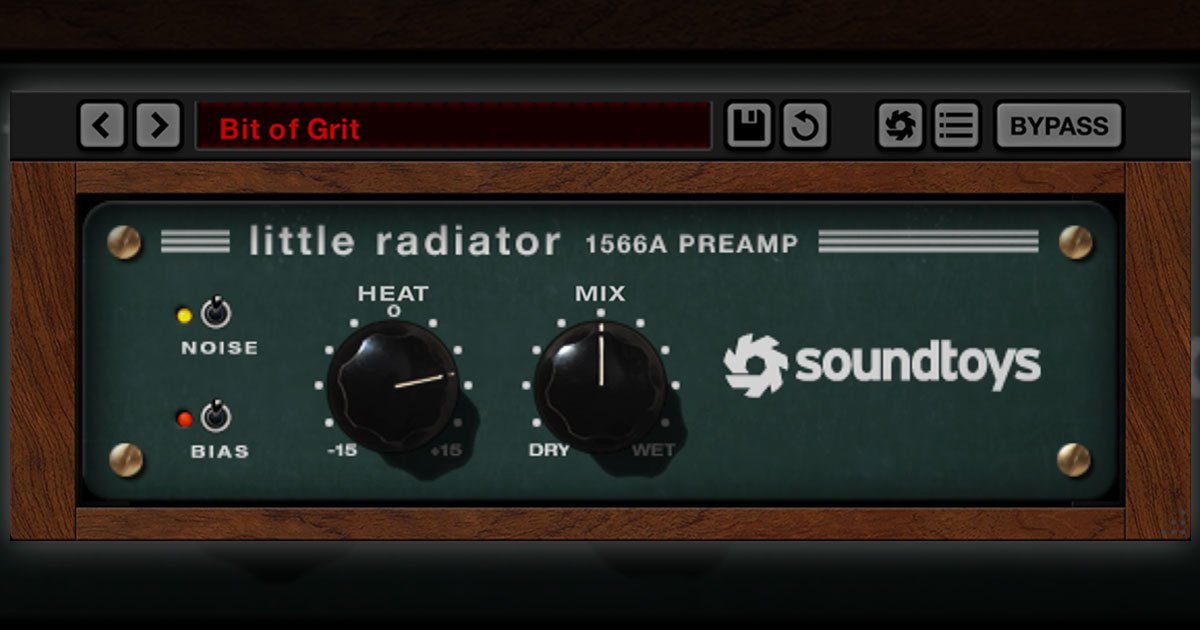
- Soundtoys「Little Radiator」Altec 1566A真空管プリアンプをモデリングし、心地よい歪み感・温かみを加えられるサチュレータープラグイン
- 【30%OFF】Softube「Weiss Complete Collection 2」スイスのオーディオメーカー・Weissとタッグを組んで制作されたプラグイン7製品バンドル(年末年始セール12月21日まで)
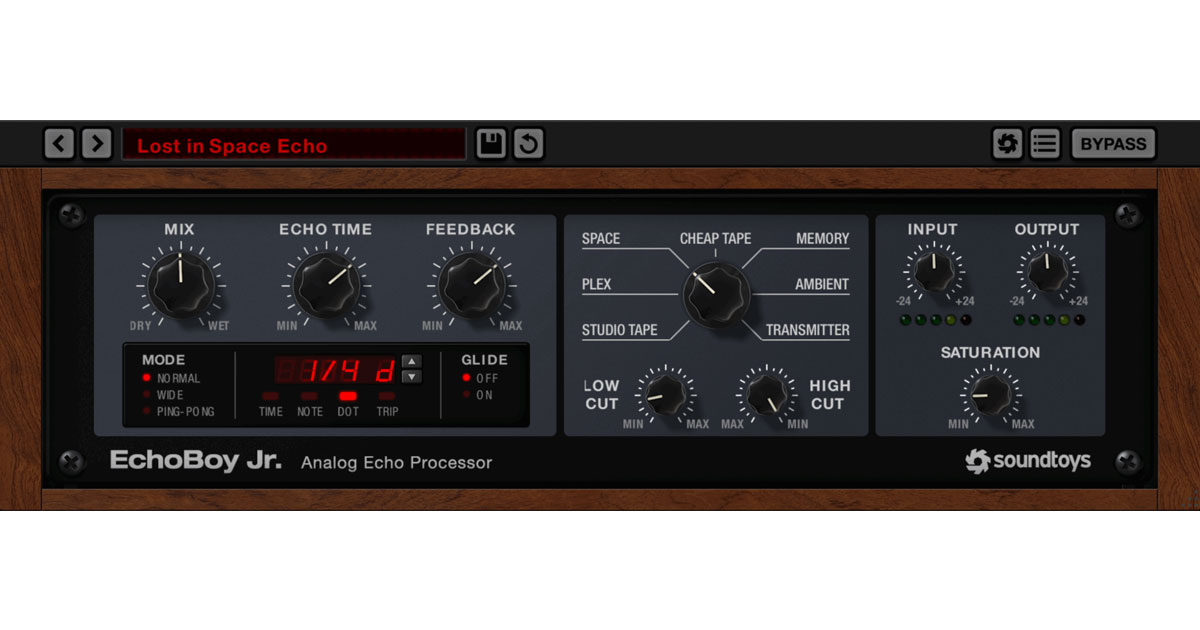
- Soundtoys「EchoBoy Jr」時代を象徴する7つのエコーサウンドを再現するエコーエフェクトプラグイン
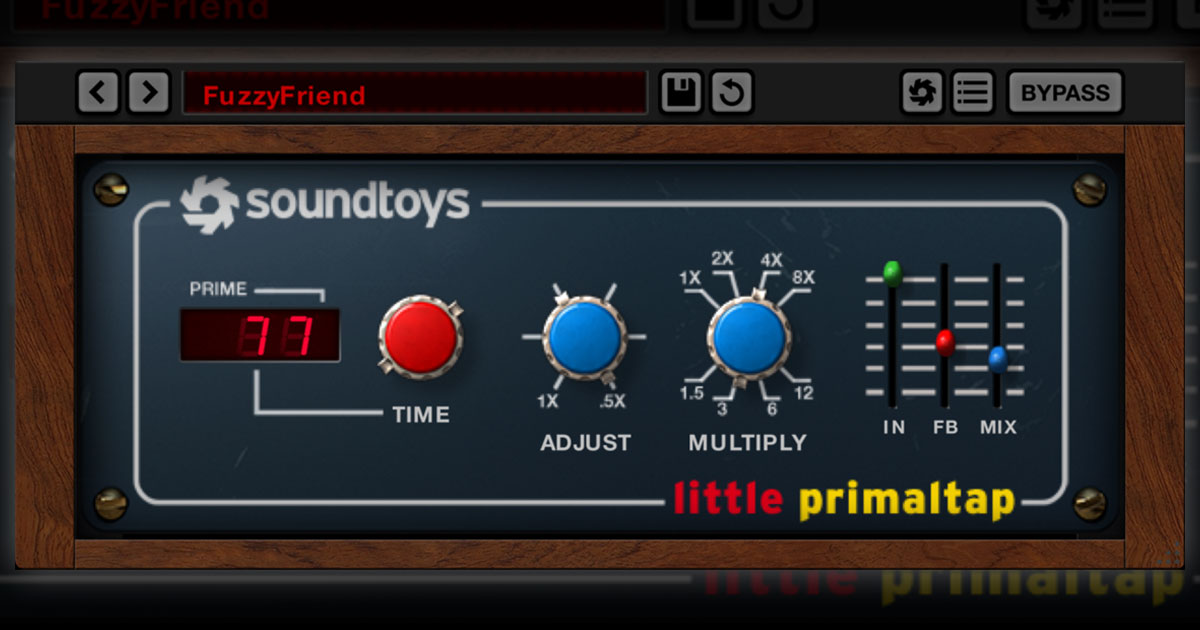
- Soundtoys「Little PrimalTap」1978年に発表されたヴィンテージディレイの銘機「Prime Time」にインスピレーションを受け制作されたディレイプラグイン(簡易版)





ダウハック
DAW・ソフトシンセ・MIXプラグインなど主にDTM関連の製品情報やセール情報をご紹介しています!
Biology Of Love | Pdf
Studies have shown that oxytocin and vasopressin are involved in the formation and maintenance of social bonds, including romantic relationships (Kosfeld et al., 2013; Young & Wang, 2004). These hormones are thought to contribute to feelings of attachment and closeness, which are essential components of romantic love.
The biology of love is a complex and multifaceted phenomenon that involves a intricate interplay of neurotransmitters, hormones, and brain regions. By understanding the scientific research that underlies human connection, we can gain a deeper appreciation for the biological processes that drive our emotions and behaviors. biology of love pdf
Research has shown that love is associated with activity in specific brain regions, including the ventral tegmental area (VTA), the nucleus accumbens (NAcc), and the prefrontal cortex (PFC). The VTA, located in the midbrain, is responsible for producing dopamine, a neurotransmitter that plays a crucial role in reward processing, motivation, and pleasure. The NAcc, a region in the basal forebrain, is involved in the processing of rewarding stimuli, while the PFC, which includes the anterior cingulate cortex (ACC) and the medial prefrontal cortex (mPFC), is responsible for executive function, decision-making, and social cognition. Studies have shown that oxytocin and vasopressin are
Love is a complex and multifaceted emotion that has been studied and debated by scientists, philosophers, and poets for centuries. While it’s often associated with feelings of warmth, attachment, and euphoria, love is also a biological phenomenon that involves a intricate interplay of neurotransmitters, hormones, and brain regions. In this article, we’ll explore the biology of love, examining the scientific research that underlies our understanding of this universal human experience. The NAcc, a region in the basal forebrain,
Serotonin is a neurotransmitter that plays a crucial role in mood regulation, appetite, and sleep. In the context of love, serotonin levels are often decreased, leading to increased activity in the brain’s reward system and the experience of pleasure and euphoria.
目次